
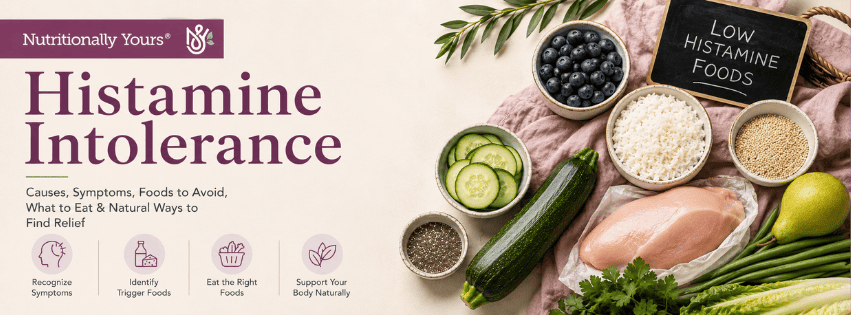
Many people experience symptoms that seem random:
- flushing
- itching
- headaches
- anxiety
- racing heart
- digestive discomfort
- food reactions
But often there is a pattern underneath: histamine overload.
Histamine itself is not bad. It is a natural chemical messenger involved in immunity, digestion, and nervous system signaling. The problem happens when the body cannot clear it efficiently.
What Histamine Does in the Body
Histamine helps regulate:
- immune responses
- stomach acid
- circulation
- brain signaling
When histamine builds faster than the body clears it, symptoms begin
Why Histamine Builds Up
Common reasons include
- poor histamine breakdown
- gut inflammation
- mast cell activation syndrome (MCAS)
- chronic infections like Lyme
- hormonal shifts
- nutrient deficiencies
This is why histamine issues often overlap with mast cell activation.
Common Histamine Symptoms
- flushing
- sudden body temperature swings
- itching or rashes
- nasal congestion
- headaches
- insomnia
- anxiety or moodo swings
- digestive discomfort
- rapid heartbeat
- feeling dizzy or ungrounded
Symptoms often worsen after certain foods which is why food testing can be very helpful.
Histamine and Midlife Hormones
Estrogen can influence histamine activity.
This is why many women notice worsening reactions during hormonal shifts. Hormones and metabolic inflammation tend to go hand in hand with histamine intolerance.
Histamine and Chronic Illness
Histamine often overlaps with:
- Lyme
- mold exposure
- Epstein Barr virus
- Panda’s Syndrome
- gut dysbiosis
- immune stress
- Trauma or adrenal stress
Functional Testing Can Help Clarify the Pattern
Testing from our office may help identify:
- inflammatory markers
- gut imbalance
- nutrient depletion
- immune burden
- chronic illness
- adrenal or hormone imbalance